Duckaholic Addicted to Quack Retro Style Review
When you are a designer looking for the next asset for your craft business, finding that perfect balance between nostalgia and wearability can be tricky. I recently came across the Duckaholic Addicted to Quack Retro Style design, and as someone who has stitched hundreds of projects for Etsy shops and boutique clients, I decided to put this piece through its paces before recommending it for real-world use. This isn't just another digital download; it is a statement piece that needs careful consideration regarding how it translates from screen to fabric.
The First Impression: A Burst of Vintage Charm
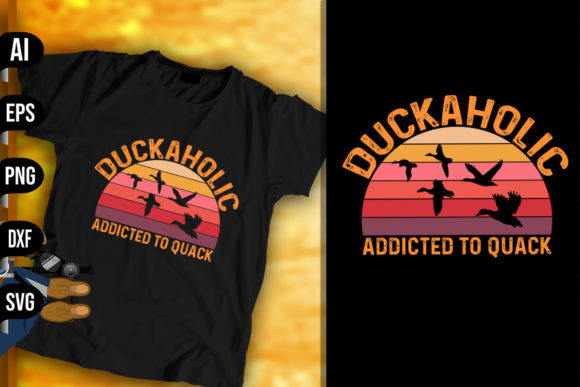
Immediately, the Duckaholic Addicted to Quack Retro Style design grabs attention with its bold personality. The retro aesthetic suggests a playful, mid-century vibe that feels right at home in modern handmade markets. It creates an instant mood of fun and approachability. Unlike some generic graphics that feel flat, this design has a distinct visual weight. The typography and the central motif work together to create a layout that feels balanced, making it an excellent candidate for various embroidery project types.
The theme of being "addicted to quack" is clever and specific. It speaks directly to nature lovers, hunters, and anyone with a soft spot for waterfowl. For a small shop owner, this specificity is gold. It allows you to target a niche audience without alienating the broader market. The design feels like it belongs on a sturdy canvas tote bag or a heavy-duty apron, where the retro style can really pop against a textured background.
Real-World Application: From Screen to Stitch
I took this file into my studio with a specific scenario in mind: creating a line of custom embroidered tote bags for a local craft fair. My goal was to produce items that felt professional yet whimsical. When I loaded the Duckaholic Addicted to Quack Retro Style machine embroidery design onto the hoop, the first thing I noticed was the potential for high stitch density in certain areas. This is common with retro-style graphics that rely on solid blocks of color to define their shape.
In a practical setting, this design shines when used on stable fabrics like denim, cotton twill, or thick canvas. Imagine a dark navy tote bag with the design stitched in bright yellow and white threads. The contrast would be striking, and the retro font would hold up well under the scrutiny of a customer inspecting the quality of the finished product. It also works beautifully as a sweatshirt embroidery accent on the chest area of a hoodie, adding a touch of personality without overwhelming the garment.
For those selling on platforms like Etsy, this design offers versatility beyond just apparel. I envision it working perfectly as a holiday embroidery gift item. Picture a set of kitchen towels featuring this duck motif for a hunter's holiday present. The design is large enough to be seen clearly but detailed enough to show craftsmanship. It transforms a simple utility item into a personalized gift that customers will cherish.
Navigating Technical Challenges
However, every great machine embroidery design comes with caveats. While the Duckaholic Addicted to Quack Retro Style is visually appealing, it requires technical finesse to execute correctly. One of the primary concerns is the stitch density. If the fill stitches are too dense, the fabric can pucker, especially on thinner materials like standard t-shirts or lightweight poly-blends. To avoid this, I strongly advise using a proper stabilizer, such as cut-away for stretchy fabrics or tear-away for stable wovens, depending on the final application.
Another critical factor is the hoop size. If you attempt to stitch this on a curved surface like a baseball cap, you may run into issues with the corners of the design. Curved surfaces distort the geometry of the pattern, potentially stretching out the lettering or warping the duck illustration. For best results, stick to flat surfaces like patches, pillow covers, or the front panel of a jacket. If you must use it on a cap, test it extensively on scrap material first to ensure the tension holds up.
Thread color selection is also paramount. Because this is a print-ready graphic converted for embroidery, the original colors might not translate perfectly if chosen poorly. High contrast is key. Using light threads on dark fabric or vice versa ensures the design remains legible. If you are unsure about the thread count or specific colorways, check the provided file details before starting your production run. There is nothing worse than realizing halfway through a batch that the thread choice makes the text unreadable.
Impact on Brand and Customer Trust
From a business perspective, the quality of your embroidery directly impacts customer trust. A sloppy stitch job can ruin the perceived value of a handmade product. The Duckaholic Addicted to Quack Retro Style design, when executed with care, elevates the brand. It signals that you pay attention to detail and understand the nuances of commercial embroidery. Customers are willing to pay a premium for items that look polished and professionally finished.
This design is particularly effective for branding because it is memorable. The quirky phrase "Addicted to Quack" acts as a conversation starter. In a crowded marketplace, having a unique design asset helps your products stand out. Whether you are creating a limited edition run for a boutique or stocking shelves for a craft fair, this graphic adds a layer of character that generic logos simply cannot match.
It is also worth considering the longevity of the design. Retro styles tend to have a timeless appeal, meaning your inventory won't feel dated after a season passes. This makes it a smart investment for any creative entrepreneur looking to build a sustainable catalog of small shop products.
Essential Designer Notes for Success
Before you commit to a full production run, there are a few non-negotiable steps to take. First, always test the design on scrap fabric. This allows you to adjust the tension and see how the fabric reacts to the stitch density. Second, review the file for any tiny details that might get lost in the stitching process. If the design includes fine lines or tiny lettering, they may need to be simplified or removed to ensure clarity.
Check the licensing terms carefully. Some files are intended for personal use only, while others allow for commercial sale of the finished item. Since this is listed under Print Templates and Graphics, verify whether you are allowed to sell the physical goods created with this design. Confirming these legalities protects your business and prevents future disputes.
Finally, don't forget to inspect the design in black and white mockups. Sometimes, color distractions hide structural flaws in the layout. By stripping away the color, you can better judge the composition and balance of the elements. This extra step ensures that your embroidery file will perform flawlessly regardless of the thread colors you choose.
Ultimately, the Duckaholic Addicted to Quack Retro Style is a versatile and charming addition to any designer's toolkit. With the right preparation and attention to technical details, it can elevate your handmade creations from simple crafts to professional-grade assets. Whether you are crafting a baby item, a decorative patch, or a commercial apparel line, this design offers the potential to delight customers and strengthen your brand identity.