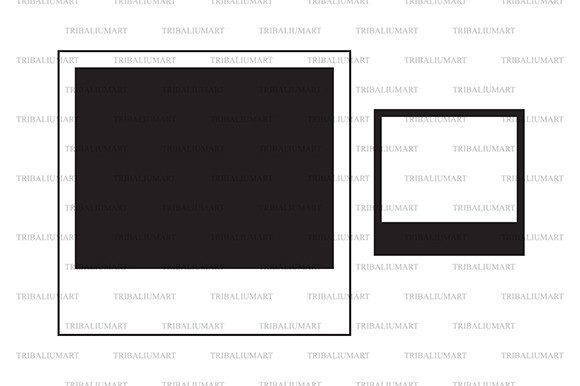
Polaroid Retro Picture Frame: A Designer's Review
When I first opened the download folder for the Polaroid Retro Picture Frame, my immediate reaction wasn't about stitch counts or file formats. It was about the mood. There is a specific nostalgia that comes with the classic instant camera aesthetic, and this design captures it perfectly without feeling dated. As someone who has spent years evaluating machine embroidery designs for both personal hobby projects and commercial client work, I look for more than just a pretty shape; I need to know how it translates from a digital screen to a stitched reality.
This Illustrations category entry falls squarely into the realm of versatile Graphics that can anchor a variety of handmade products. The layout suggests a space for a photo or text, framed by that iconic white border. In the world of embroidery files, simplicity is often a double-edged sword. Too simple, and it looks unfinished; too complex, and it loses charm on smaller fabrics. The Polaroid Retro Picture Frame strikes a balance that feels ready for real-world application.
Bringing the Design to Life: A Real Project Scenario
Let me walk you through how I visualize this design in action. Imagine I am preparing a custom order for a local boutique owner who sells personalized baby gifts. She needs a unique addition to her line of organic cotton onesies and muslin swaddle blankets. Most competitors are using generic hearts or stars, but she wants something that tells a story.
I take the Polaroid Retro Picture Frame and place it mentally onto a soft cream-colored muslin fabric. The clean lines of the frame suggest a perfect spot for a "first day of school" date or a baby's birth details. If I were stitching this as an embroidered patch for a denim jacket, the frame would serve as a cool backdrop for a child's name. For a tote bag design, it could hold a family portrait, turning a standard canvas bag into a sentimental keepsake.
The visual appeal here is strong because it mimics a physical object. Customers instantly recognize the format, which adds a layer of familiarity and trust to the finished product. When a buyer sees a handmade product featuring this motif, they immediately understand the concept: it is meant to preserve a memory. This recognition factor is crucial for Etsy sellers and small shop owners looking to increase conversion rates on their listings.
Performance on Different Fabrics and Garments
In my experience, the success of any embroidery project depends heavily on the substrate. The Polaroid Retro Picture Frame is adaptable, but it behaves differently depending on what you are working with. On stable fabrics like quilting cotton, twill, or denim, the design likely holds its shape beautifully. The straight edges of the frame benefit from a consistent stitch density, ensuring the border looks crisp rather than wavy.
However, we must be realistic about where this design might struggle. If you plan to use this for sweatshirt embroidery on a heavy fleece, the bulk of the stitches could distort the frame if not stabilized correctly. Similarly, applying this to a curved surface like a baseball cap requires careful planning. While the retro style fits a cap perfectly, the flat geometry of a Polaroid frame can look odd if it doesn't follow the curvature of the hat panel. You might need to adjust the digitization or choose a larger hoop size to accommodate the curve without puckering.
For baby embroidery on stretchy jersey knits, caution is key. The frame relies on structure, and stretchy fabric fights against structure. Unless you are using a high-quality cut-away stabilizer and testing extensively, the frame might warp after the first wash. This is a common pitfall for those new to commercial embroidery where consistency is mandatory.
Textured Surfaces and Dark Fabrics
One of the most interesting challenges is applying this to textured fabrics like towels or aprons. The contrast between the thread and the fabric texture can sometimes hide the fine details of the frame. If you are aiming for a tea towel gift, ensure your thread colors pop against the weave. On dark fabrics, the white border of the Polaroid is essential. If the design does not include a dense satin stitch or fill stitch to cover the dark background, the frame might disappear into the fabric, ruining the illusion of the picture.
For kitchen towel applications, the design works exceptionally well as a decorative accent near the hem. It adds a touch of whimsy without overwhelming the utility of the item. Just remember that kitchen items undergo frequent washing, so checking the durability of the running stitch or satin stitch used for the border is vital before selling these as small shop products.
Practical Notes for the Embroidery Designer
Before you commit to running this design on your production line, there are several technical steps you must take. First, always test the design on scrap fabric. This is non-negotiable. You need to verify how the hoop size interacts with the frame's dimensions. If the frame is large, you may encounter issues with machine reach or tension inconsistencies at the corners.
Review the thread colors you intend to use. The classic Polaroid look relies on high contrast. Using a light gray thread on a white background will fail to create the necessary definition. Conversely, on a black shirt, you might need multiple layers of white underlay to ensure the frame stands out. Inspect the small details closely; if the design includes tiny lettering inside the frame, ensure your machine can handle the density without breaking needles or causing thread jams.
It is also wise to test the design in black and white mockups. Sometimes, a color combination looks great on screen but fails in monochrome, especially when printed on printable mockups for your online store. Compare light and dark fabric backgrounds to see how the fabric texture affects the final look. Use proper stabilizer appropriate for your fabric weight; a tear-away might suffice for a tote bag, but a cut-away is likely needed for a garment that will be stretched during wear.
Finally, confirm the licensing terms. Since this is a digital embroidery file provided as an INSTANT DOWNLOAD, you need to know if you are allowed to sell the finished physical items. Many designers assume all graphics are free for commercial use, but some restrict the number of units you can produce. Check the documentation included in the ZIP folder for SVG, DXF, EPS, JPEG, PNG, and PDF files to ensure you have the rights to use them for your craft business.
Final Thoughts on Visual Value
The Polaroid Retro Picture Frame offers a timeless aesthetic that resonates with buyers looking for personalized gifts. It elevates a simple embroidery project into a piece of art that feels curated and thoughtful. Whether you are creating a wedding gift, a holiday present, or a boutique branding element, this design provides a solid foundation.
It fits seamlessly into the workflow of a creative entrepreneur who values efficiency and quality. By understanding the nuances of fabric, stabilization, and stitch density, you can transform this digital asset into a premium finished product. The design encourages creativity, allowing you to customize the interior with names, dates, or even applique elements to make each item unique. With the right approach, this frame becomes more than just a graphic; it becomes a vehicle for storytelling in thread.