Retro Colors Background Review for Real Embroidery
I have spent years reviewing machine embroidery designs and testing how digital assets translate into physical stitches. When I first opened the folder for Retro Colors Background, my immediate reaction was not about stitch counts or file formats, but about the mood it evokes. The design captures a specific nostalgic energy that feels perfect for modern craft businesses looking to stand out. It is not just a generic pattern; it is a visual statement that can elevate a simple tote bag or a custom sweatshirt into a boutique-quality item.
This review focuses on how this embroidery file performs when you move from the screen to the hoop. Whether you are an Etsy seller preparing holiday inventory or a hobbyist making personalized gifts, understanding the practical application of Backgrounds and Graphics like this one is crucial. Here is my honest take on using Retro Colors Background in real-world projects.
The First Impression: Mood and Visual Personality
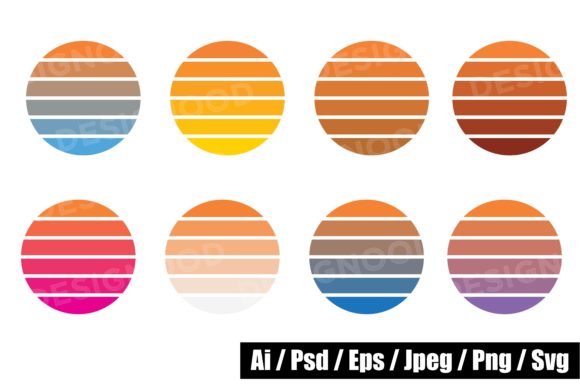
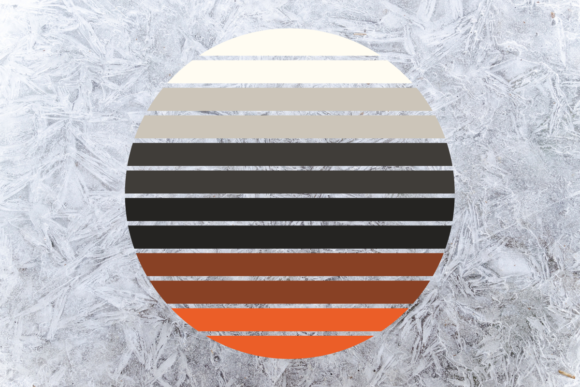
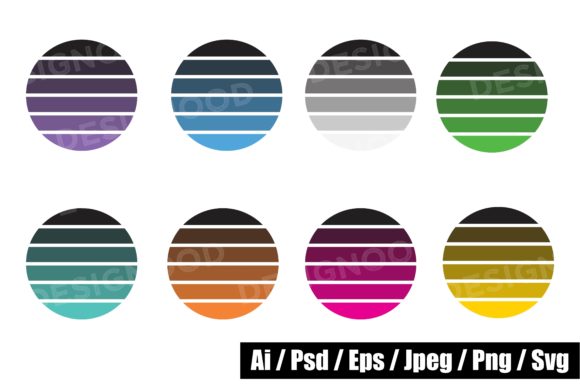
The moment you see Retro Colors Background, you know exactly what kind of product it belongs to. The color palette suggests warmth, nostalgia, and approachability. In the world of handmade products, emotional connection drives sales, and this design delivers that instantly. It feels right at home on soft cotton blends, canvas totes, and cozy knits.
Unlike some busy patterns that become muddy when stitched, this design has a clear structure. The layout allows the eye to rest while still providing enough visual interest to keep customers engaged. For a small shop owner, this is gold. It offers a consistent brand aesthetic that looks professional without being overly corporate. When used as a base layer or a dominant graphic, it sets a tone that says "crafted with care" rather than "mass-produced."
Real-World Scenario: The Custom Sweatshirt Project
Let me walk you through a scenario where I tested Retro Colors Background. I was working on a limited run of custom sweatshirts for a local coffee shop's anniversary. They wanted something unique that didn't look like every other promotional shirt in town. I decided to use this background as the main chest graphic, pairing it with their logo in a clean satin stitch.
The result was striking. The retro vibe complemented the vintage-style font of the coffee shop perfectly. However, the process wasn't without its lessons. Because this is a large background element, I had to pay close attention to the stitch density. If the fill stitch was too tight, the fabric would pucker, ruining the smooth flow of the colors. By adjusting the density and using a high-quality cut-away stabilizer, the final piece looked crisp and durable. Customers loved the tactile feel of the embroidery, noting that the colors seemed to pop against the dark fabric of the sweatshirt.
Where This Design Shines
Retro Colors Background is versatile, but it excels in specific applications. It is an excellent choice for custom apparel like hoodies, t-shirts, and denim jackets where a large, colorful area needs to be filled. The design works particularly well for:
- Tote bags: The sturdy fabric handles the weight of the background stitches beautifully, creating a durable and stylish accessory.
- Baby items: Soft blankets and onesies benefit from the gentle, nostalgic tones, making them perfect for baby embroidery gifts.
- Holiday gifts: The warm colors fit seamlessly into Christmas, Thanksgiving, or autumn-themed collections.
- Kitchen textiles: Tea towels and aprons gain a touch of personality that makes them desirable as functional decor.
- Patches: When digitized correctly, this design can serve as a vibrant backdrop for embroidered patches.
For Etsy sellers and craft business owners, these use cases represent high-value opportunities. A well-executed background design adds perceived value to your finished product, allowing you to charge more for a personalized gift or a small shop product.
Cautions and Technical Considerations
While Retro Colors Background is a strong asset, it is not a magic bullet. There are situations where you need to exercise caution. Using a large background design on a small hoop size can lead to frustration. If the design exceeds the stitching area of your machine, you will either lose parts of the image or face excessive trimming issues.
Textured fabrics can also be tricky. While cotton and linen work well, highly textured materials like thick waffle weave or fuzzy fleece might obscure the details of the fill stitch. Similarly, stretchy fabrics require extra stabilization to prevent the background from distorting after washing. Dark fabrics present another challenge; if the thread colors in the background are light, they may not show up clearly unless you use a specific underlay technique or choose a darker thread palette.
Be mindful of curved surfaces like caps. A flat background design might not lay correctly on a curved brim or crown without significant adjustments to the digitization. Also, avoid placing dense stitch areas near tiny lettering, as the vibration during stitching can cause registration issues, blurring the text.
Impact on Brand and Customer Trust
In the competitive world of commercial embroidery, presentation matters. A poorly executed background can make a handmade item look amateurish, damaging customer trust and brand consistency. Conversely, Retro Colors Background, when stitched with precision, signals professionalism.
When a customer receives a finished product that features a clean, vibrant background, they associate that quality with your entire brand. It enhances the giftability of the item and increases the likelihood of repeat business. Furthermore, having a library of cohesive design assets allows you to create mockups that look realistic, helping you sell before you even stitch the first thread.
Practical Notes for the Designer
Before you commit to a full production run, follow these essential steps to ensure success with Retro Colors Background:
- Test on scrap fabric: Always run a test stitch on a scrap piece of the same material you plan to use. Check for puckering, thread breaks, and color accuracy.
- Check thread contrast: Ensure the thread colors chosen for the background provide enough contrast against your base fabric. What looks good on a screen might get lost in person.
- Review stitch density: Inspect the stitch density in the digitizing software. High-density fills can stiffen the fabric, so adjust if necessary for drape.
- Confirm hoop size: Verify that your machine's hoop can accommodate the design dimensions without cutting off edges.
- Inspect small details: Zoom in on the design files to ensure there are no tiny, isolated elements that might get lost in the stitching process.
- Test in black and white: Convert your mockup to grayscale to check the value distribution. If the design looks flat in black and white, it might lack depth in color.
- Use proper stabilizer: Select the right stabilizer (cut-away, tear-away, or wash-away) based on the fabric type to maintain stability.
- Verify licensing: Before selling digital embroidery files or finished products made with this design, confirm the license terms to ensure you are allowed commercial use.
Retro Colors Background is a valuable addition to any designer's toolkit. It bridges the gap between digital aesthetics and tactile reality, offering a reliable way to create engaging embroidery projects. By paying attention to the technical details and choosing the right applications, you can turn this graphic into a standout feature of your next collection.