Retro Sunset Circle 88 Review
I have spent years reviewing embroidery files for my own boutique and for clients, so I know that a pretty image on a screen does not always translate to a beautiful stitched product. When Retro Sunset Circle 88 landed in my inbox, I was immediately drawn to the nostalgic vibe. The description notes that retro vintage sunsets are dominating sales charts, appearing in about 25 of the top 100 shirts on Amazon. That statistic alone tells me this design has commercial potential, but as a designer, I care more about how it performs under the needle than how well it sells on paper.
This review is based on my practical assessment of using Retro Sunset Circle 88 as a machine embroidery design for real-world projects. Whether you are an Etsy seller looking to boost your shop inventory or a hobbyist making personalized gifts, understanding the nuances of this graphic is essential before you commit to a production run.
The First Impression: Mood and Visual Personality
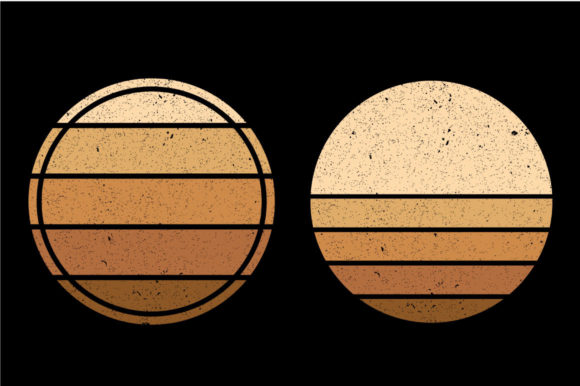
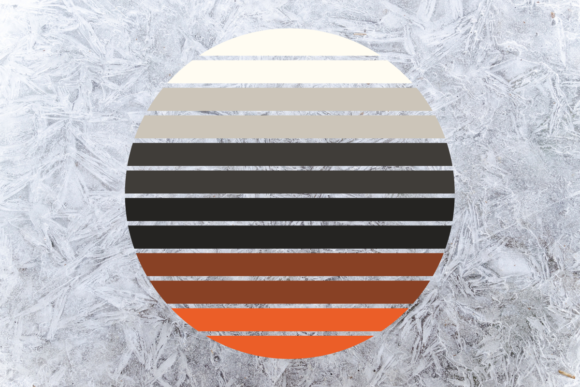
From a visual standpoint, Retro Sunset Circle 88 exudes warmth and nostalgia. The circular layout creates a focal point that feels contained and intentional, perfect for branding or centering on a garment. Unlike chaotic, busy designs that can get lost in stitching, this graphic relies on clean lines and a classic color palette that suggests a summer evening or a vintage travel poster.
When I first opened the file, the vector clarity was evident. The shapes are distinct, which is crucial for embroidery files because the thread cannot replicate the infinite gradients of a digital print. The design naturally lends itself to a limited thread count, allowing for high contrast without overwhelming the fabric. It feels like a design that belongs on a soft cotton tee, a canvas tote, or a cozy sweatshirt rather than a stiff denim jacket where heavy density might cause puckering.
Real-World Application: A Case Study with Custom Tote Bags
To truly test Retro Sunset Circle 88, I decided to use it for a custom embroidered tote bag project intended for a local craft fair. My goal was to create a handmade product that felt professional yet approachable. I selected a natural canvas tote, a fabric texture that pairs beautifully with the retro aesthetic.
The process began with hooping. Because the design is circular, I needed to ensure the hoop size accommodated the full diameter without cutting off the edges. I placed the design slightly above the bottom seam to avoid interference when the bag is carried. The result was striking. The satin stitch used for the outlines gave the circle a crisp, defined edge that stood out against the rough weave of the canvas. The fill stitches within the sunset gradient (simulated through thread color changes) created depth without feeling too heavy.
Customers at the fair reacted positively. They mentioned that the design looked "authentic" and "vintage," exactly the mood we were aiming for. This proves that Retro Sunset Circle 88 is not just a pretty picture; it is a functional asset that enhances the perceived value of a small shop product. It transforms a basic tote into a branded item that customers want to keep and use again.
Where to Exercise Caution: Fabric and Stitch Density
While the design shines on stable fabrics, there are specific scenarios where Retro Sunset Circle 88 requires careful handling. If you plan to use this on stretchy fabrics like jersey knit t-shirts or thin materials like silk, you must be vigilant about stabilizer choice. Without proper backing, the tension of the fill stitch could distort the circular shape, making it look oval or wavy after washing.
Another area to watch is small hoop sizes. If you attempt to stitch this design onto a baby onesie or a narrow cap brim, the detail level might get lost. The curves of the sunset need enough space to breathe. If the hoop size is too tight, the machine may skip stitches or pull the fabric, ruining the finished product. I recommend testing the design on scrap fabric first to see if the density works for your specific material.
Dense stitch areas can also be problematic on dark fabrics if you do not select the right thread colors. Light threads may require multiple passes to achieve opacity, which increases the risk of thread breakage and fabric distortion. Always check the stitch density settings in your digitizing software before sending the job to the machine. If the design calls for too many stitches per square inch on a delicate fabric, consider reducing the density or simplifying the fill pattern.
Impact on Brand Consistency and Customer Trust
In the world of commercial embroidery, consistency is key. Customers trust brands that deliver high-quality, durable items. Retro Sunset Circle 88 supports this trust by offering a clean, professional look that holds up over time. The simplicity of the design means fewer points of failure; there are no tiny, intricate details that are prone to snagging or fraying during frequent washing.
For Etsy sellers and creative entrepreneurs, this design is a versatile tool. It fits seamlessly into various niches, from holiday embroidery collections to personalized gifts for weddings and nurseries. The retro theme is timeless, ensuring that your design assets remain relevant for seasons to come. When you present a mockup or a finished item featuring this design, it conveys a sense of effort and quality that buyers appreciate.
However, remember that the digital file is just the starting point. The final outcome depends on your execution. Using high-quality thread, proper stabilizer, and correct tension settings will make all the difference. If you skip these steps, even the best design like Retro Sunset Circle 88 can end up looking amateurish.
Practical Designer Notes for Success
- Test on Scrap: Always run a test stitch on a piece of scrap fabric that matches your final project material. This helps you identify any issues with thread tension or fabric pull before you start the actual garment.
- Check Thread Contrast: Ensure your chosen thread colors provide enough contrast against the background fabric. The retro sunset looks best when the colors pop, so avoid low-contrast combinations that might muddy the design.
- Review Stitch Density: Inspect the density of the fill stitches. If the design feels too dense for your fabric type, adjust the settings to prevent puckering.
- Confirm Hoop Size: Verify that your hoop is large enough to accommodate the entire circular design without cropping any elements.
- Inspect Small Details: Zoom in on the vector file to ensure there are no tiny, isolated elements that might not stitch well.
- Black and White Mockups: View the design in black and white to check the balance of light and dark areas. This ensures the design reads clearly regardless of the thread color.
- Licensing Check: Before selling finished items made with Retro Sunset Circle 88, confirm the licensing terms provided with the download. Some digital embroidery files restrict commercial use unless a specific license is purchased.
In conclusion, Retro Sunset Circle 88 is a strong candidate for anyone looking to add a touch of vintage charm to their embroidery project. Its clean lines and nostalgic appeal make it suitable for a wide range of applications, from custom apparel to embroidered patches. By following the practical tips outlined here and paying attention to the technical details of your setup, you can create stunning finished products that delight your customers and elevate your brand.