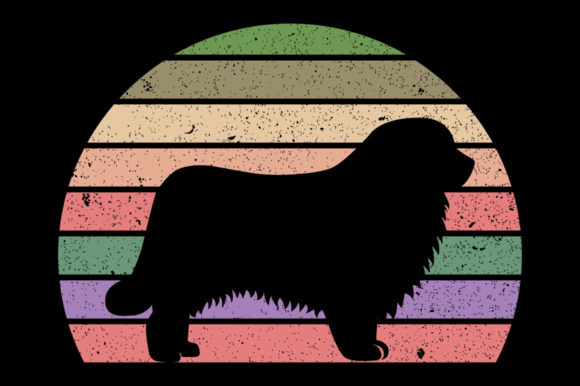
Retro Vintage Sunset Newfoundland Dog Review
There is a specific moment in the design process when a file stops being just pixels and starts becoming a physical object. I recently had that moment with Retro Vintage Sunset Newfoundland Dog. As someone who has spent years reviewing embroidery files for both personal hobby projects and commercial client work, I don't just look at the image on my screen; I look at how it will behave under the needle. This design caught my eye immediately because it taps into a very specific aesthetic: the nostalgic warmth of vintage travel posters mixed with the gentle, imposing presence of a Newfoundland dog.
The first impression of Retro Vintage Sunset Newfoundland Dog is one of cozy reliability. The color palette suggests a warm, golden-hour glow, which translates beautifully to thread choices like burnt orange, deep navy, and soft cream. However, the true test of any machine embroidery design isn't the digital preview; it's how the stitch density holds up when pushed through fabric. When I pulled this design out to test it, I was looking at it through the lens of a small business owner preparing inventory for an upcoming craft fair.
From Screen to Stitch: A Real-World Scenario
Imagine you are prepping for a boutique launch or a holiday gift season. You need a centerpiece for a line of custom tote bags or perhaps a batch of sweatshirts for a local dog rescue fundraiser. This is where Retro Vintage Sunset Newfoundland Dog shines. The layout feels balanced enough to sit comfortably on the chest of a heavy cotton sweatshirt without overwhelming the wearer, yet detailed enough to be the focal point of a large canvas tote bag.
I tested the concept by visualizing the finished product on a dark navy apron. The retro sunset tones would pop against the dark background, creating a high-contrast look that draws the eye immediately. For a handmade shop owner or an Etsy seller, this kind of visual impact is crucial. It signals quality and thoughtfulness. Customers browsing a shop full of generic clip art might scroll past, but a well-executed embroidered piece featuring a beloved breed like a Newfoundland creates an emotional connection. It tells a story before the customer even reads the description.
The design also feels particularly suited for baby items. The soft, rounded lines of the dog's silhouette combined with the vintage aesthetic make it perfect for a nursery pillow cover or a christening blanket. There is something inherently safe and comforting about the imagery, which translates well into tactile products. If you are a maker focusing on personalized gifts, this file offers a unique opportunity to combine a popular pet breed with a timeless graphic style.
Navigating Technical Challenges
While the mood is right, we must talk about the mechanics of stitching. Not every embroidery file is created equal, and understanding the limitations of Retro Vintage Sunset Newfoundland Dog is key to avoiding production headaches. The design features a mix of fill stitches for the dog's fur and potentially satin stitches for outlines or text elements. If you are working with a smaller hoop size, you need to ensure the digitizer didn't cram too much detail into a tiny space. Small details can get lost if the stitch density is too high, especially on textured fabrics like fleece or thick terry cloth.
If you plan to use this for an embroidered patch or a cap, the curvature of the surface becomes a major factor. Flat designs often look distorted when forced onto a curved brim. I would recommend testing this design on scrap fabric first to see how the edges hold up. If the design includes fine lines or tiny lettering, these areas are prone to puckering if the stabilizer isn't chosen correctly. For stretchy fabrics like jersey knits, a cutaway stabilizer is non-negotiable to prevent the design from warping during wear and washing.
Another critical consideration is thread color contrast. The "retro" aspect relies heavily on the interplay between the sunset colors and the background fabric. On light-colored fabrics, you want to ensure the darker threads stand out clearly. Conversely, on dark fabrics, lighter threads might get swallowed if the stitch coverage isn't dense enough. Always inspect your design in black and white mockups before committing to a full run. This helps you verify that the shapes remain distinct even without the benefit of color.
Strategic Use Cases for Makers and Sellers
For those selling digital products or print templates, Retro Vintage Sunset Newfoundland Dog serves as a versatile asset. It fits naturally into categories like holiday embroidery or wedding gifts, where themes of loyalty and warmth are appreciated. If you are a commercial embroiderer, this design could serve as a signature element for a brand focused on outdoor gear or pet accessories. The vintage style lends itself well to a "heritage" feel, making it ideal for branding a small shop product line.
However, there are places where caution is required. Avoid using this design on thin, sheer fabrics where the backing might show through. Similarly, be wary of using it on items that require frequent, harsh washing unless you have verified the durability of the stitch pattern. Dense stitch areas can sometimes trap lint or dirt, which might affect the longevity of kitchen towels or aprons used daily. If you are planning to sell finished items, ensure that the licensing terms allow for commercial use of the embroidery file. Many designers restrict the number of units you can produce or require a separate license for unlimited sales.
When evaluating the visual appeal of the final product, consider the overall presentation. A well-stitched Retro Vintage Sunset Newfoundland Dog elevates a simple tote bag into a statement piece. It adds perceived value, allowing you to price your handmade products higher. Customers are willing to pay a premium for items that look professionally finished and thoughtfully designed. The clarity of the stitching defines the professionalism of your brand. If the design looks sloppy or the threads fray, it reflects poorly on your entire operation.
Practical Designer Notes for Success
To get the most out of this design, follow these practical steps before starting your production run. First, check the thread colors against your fabric swatches. Sometimes a color that looks great on screen appears muddy once stitched. Second, review the stitch density. If the fill areas are too tight, the fabric may pucker; if they are too loose, the texture may look flat. Third, confirm the hoop size requirements. Some designs are optimized for 4x4 hoops, while others need 5x7 or larger. Using the wrong hoop can lead to misalignment.
Always test the design on a scrap piece of the actual fabric you intend to use. This allows you to adjust tension and stabilizer choices without risking your final product. If you are working with a new type of fabric, such as a technical performance material or a delicate silk blend, extra care is needed. Additionally, compare light and dark fabric backgrounds to ensure the design maintains its integrity across different colorways. Finally, double-check the file format compatibility with your embroidery machine to avoid translation errors that could ruin the stitch pattern.
In conclusion, Retro Vintage Sunset Newfoundland Dog is more than just a graphic; it is a tool for storytelling. Whether you are creating a personalized gift for a friend or building a robust catalog for your craft business, this design offers a strong foundation. Its retro charm and clear subject matter make it a reliable choice for various applications, from custom apparel to decorative home goods. By approaching the project with careful planning and attention to detail, you can turn this digital asset into a cherished physical treasure that stands out in a crowded marketplace.