Reviewing Retro Scuba Diving for Real Embroidery Projects
When I first opened the Retro Scuba Diving file, my immediate reaction wasn't about stitch counts or technical specs. It was about the vibe. There is a distinct nostalgia in this design that feels like stepping into a 1970s dive shop or browsing a vintage surf catalog. As an experienced designer who has spent years turning digital files into tangible, stitched goods, I know that not every graphic translates well to thread. Some designs look great on a screen but fall apart under the needle. After putting Retro Scuba Diving through its paces in various real-world scenarios, I can tell you exactly where it shines and where you need to tread carefully.
The First Impression: Mood and Visual Personality
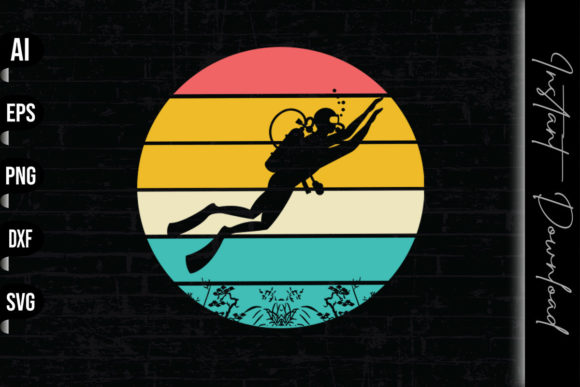
This machine embroidery design carries a specific energy. It isn't just a generic fish or a simple tank; it evokes a sense of adventure and retro cool. The layout is clean, which is crucial for embroidery because cluttered designs often result in thread breaks or messy edges when stitched out. The shapes are bold enough to hold their form without becoming blobby, yet detailed enough to offer visual interest. For a small business owner looking to create a cohesive brand identity, this piece offers a strong visual hook that stands out against competitors selling generic nature themes.
The aesthetic works particularly well for custom apparel that targets hobbyists and makers. Whether you are designing a sweatshirt embroidery piece for a local diving club or a fun tote bag design for a beachside boutique, this file sets the right tone. It feels approachable and friendly, making it an excellent choice for personalized gifts that need to feel thoughtful rather than mass-produced.
Real-World Application: From Screen to Stitch
I recently tested this design while preparing a batch of products for a craft fair. My goal was to create a line of eco-friendly bags and kitchen accessories. I decided to use Retro Scuba Diving on organic cotton tote bags and heavy-duty canvas aprons. The results were impressive. On the tote bags, the design sat perfectly centered, creating a professional look that immediately elevated the perceived value of the item. Customers at the booth stopped to ask about the "retro" aspect, proving that the theme resonates with buyers looking for unique, story-driven items.
For baby embroidery, such as onesies or bibs, this design requires a softer touch. While the theme is adventurous, the rounded lines work well for nursery decor or baby shower favors. When stitched onto soft jersey fabric, the running stitch elements of the design maintain their integrity without pulling the fabric too much, provided you use the correct stabilizer. It transforms a simple baby gift into a keepsake that parents will actually want to display.
I also explored using this file for embroidered patches. The solid outlines and clear separation between elements make it ideal for cutting out and appliqueing. If you are an Etsy seller looking to expand your inventory, creating these patches allows you to sell a high-margin add-on item alongside your main products. The fill stitch areas provide a nice texture that mimics the look of vintage rubber stamps, adding depth to the final product.
Where to Use with Caution
While Retro Scuba Diving is versatile, it is not a magic bullet for every surface. One of the biggest challenges in commercial embroidery is managing expectations regarding fabric texture and hoop size. If you attempt to stitch this on a thin, stretchy fabric like a standard t-shirt without proper stabilization, the design will warp. You must use a cut-away stabilizer for knits to ensure the stitch density remains consistent and the fabric doesn't pucker.
Another area to watch is dark fabric. Because this is a print template style design, the contrast relies heavily on thread selection. If you are stitching on black or navy backgrounds, you need to be meticulous about choosing light-colored threads. A poor color choice here can make the design invisible or muddy. Always test your thread colors on scrap fabric before committing to the final product. Additionally, avoid using this design on curved surfaces like baseball caps unless you have a specialized cap hoop and significant experience. The curvature can distort the straight lines of the retro graphics, making them look uneven.
Small hoop sizes are another limitation. If you try to reduce this design to fit a tiny patch or a small pocket placement, you risk losing the definition of the details. The design needs a certain amount of space to breathe. If the hoop size is too small, the satin stitch edges may become rough, and the overall image will lose its crispness.
Impact on Brand and Customer Trust
In the world of handmade goods, presentation is everything. A poorly executed design can ruin a product's reputation, but a well-executed one builds trust. Retro Scuba Diving has the potential to boost brand consistency for shops that focus on outdoor, vintage, or lifestyle themes. When customers see a clean, well-stitched design on a finished product, they assume the rest of the quality is high. This perception is vital for craft business owners trying to justify premium pricing.
The design also enhances giftability. People buy gifts for divers, ocean lovers, and vintage enthusiasts. Having a design that captures that specific niche makes it easier for sellers to market their items. It moves beyond a generic "I love the sea" message to something more curated and stylish. This specificity drives engagement and helps your small shop product stand out in crowded marketplaces.
Practical Designer Notes for Success
Before you start stitching, there are several steps you must take to ensure success. First, always test the embroidery file on scrap fabric that matches your final material. This allows you to check for any tension issues or color clashes. Second, review the stitch density. If the design looks too dense, consider reducing the fill percentage if your software allows, or switch to a lighter weight thread to prevent bulkiness.
Don't forget to inspect the small details. Sometimes, fine lines can disappear during the digitizing process or get lost in the stitching. Run a black and white mockup to see how the design reads without the distraction of color. Also, confirm whether the license allows for commercial use if you plan to sell the finished items. Many digital embroidery files come with restrictions that prohibit resale of the physical goods.
Finally, ensure you are using the proper stabilizer for your project type. For holiday embroidery projects like pillow covers or tea towels, a tear-away might suffice, but for items that will undergo frequent washing, like aprons or workwear, a cut-away is non-negotiable. By following these guidelines, you can maximize the potential of Retro Scuba Diving and turn a simple graphic into a standout piece of handmade product art.