Vintage Retro Sunset 16: A Designer's Real-World Review
As someone who has spent years stitching out designs for clients, running a small handmade shop, and testing countless files before they hit the market, I have developed a specific eye for what works and what fails. Today, I am putting Vintage Retro Sunset 16 under the microscope. This isn't just another download; it is a potential asset for your machine embroidery design library, but does it hold up when the needle actually hits the fabric? I decided to take this embroidery file out of the digital realm and test it in a real production scenario to see if it deserves a spot on your next project.
The First Impression: Mood and Visual Personality
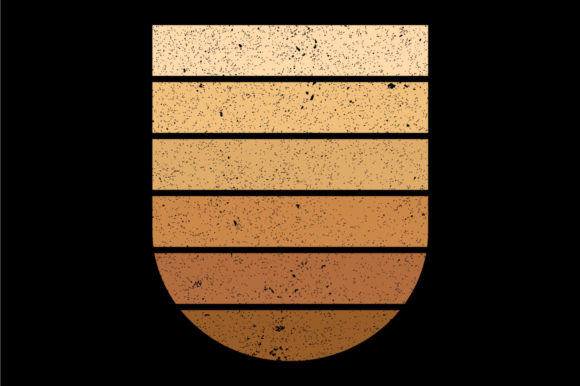
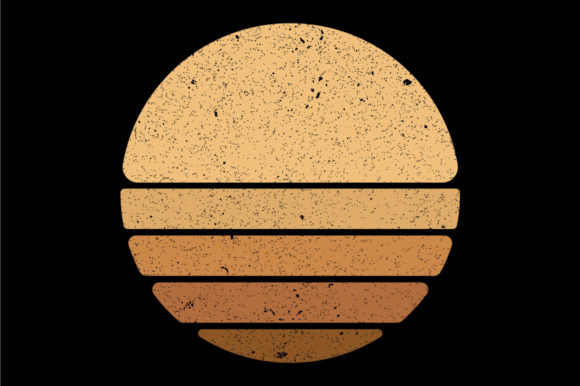
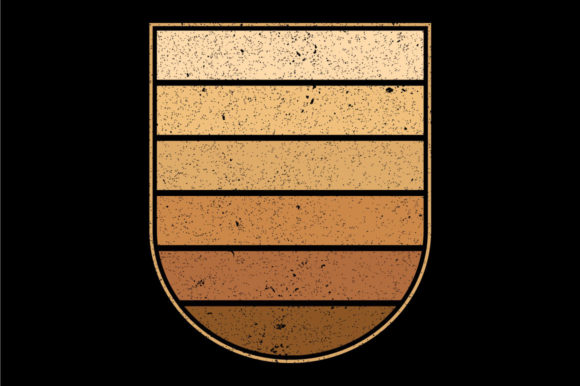
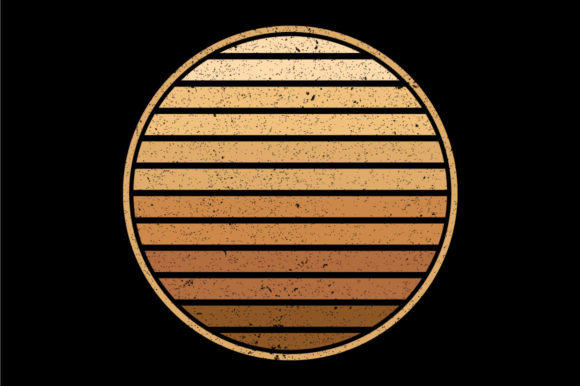
When you first open the folder containing Vintage Retro Sunset 16, the immediate feeling is one of nostalgia. The design captures that specific mid-century aesthetic that has been trending for years, blending warm gradients with clean lines. It feels less like a generic clipart and more like a piece of art waiting to be stitched. For an embroidery designer, the initial layout is promising because it avoids the cluttered look that often plagues retro themes. The shape suggests movement, mimicking the sun dipping below the horizon, which gives the final product a dynamic feel rather than a static one.
This particular graphics asset fits perfectly into the "Print Templates" category, yet its true value shines when converted into a physical object. The visual personality of Vintage Retro Sunset 16 screams "handmade" and "curated." It doesn't look mass-produced. When placed on a garment or accessory, it immediately elevates the perceived value of the item. It creates a mood of relaxation and summer vibes, making it an ideal choice for brands that want to convey warmth and approachability. However, the success of this embroidery project relies heavily on how well the stitch density translates the subtle details of the sunset gradient.
A Real-Life Scenario: The Custom Tote Bag Challenge
To truly evaluate Vintage Retro Sunset 16, I needed a practical use case. I imagined a scenario common to many Etsy sellers and craft fair vendors: creating a custom embroidered tote bag for a local boutique client. The client wanted something unique for their summer collection, specifically targeting young adults who appreciate vintage aesthetics. They needed a design that would pop against a canvas background but wouldn't overwhelm the natural texture of the bag.
I loaded the digital embroidery file onto my hoop, selecting a medium-sized cotton canvas tote. The first challenge was the stitch density. In the digital preview, the colors blend seamlessly, but in thread form, dense areas can sometimes look muddy. I adjusted the thread colors to ensure high contrast between the deep orange of the sun and the soft blue of the sky. As the machine began to stitch, the Vintage Retro Sunset 16 design held up remarkably well. The satin stitch used for the outlines provided a crisp edge, while the fill stitch in the center created a smooth, textured surface that caught the light beautifully.
The result was a finished product that looked professional and polished. Customers walking through the store stopped to touch the bag, drawn to the tactile quality of the embroidery. The design didn't just sit on the fabric; it felt integrated into it. This kind of reaction is exactly what small business owners and Etsy sellers are looking for. It proves that Vintage Retro Sunset 16 is not just a pretty picture, but a functional tool for creating high-value merchandise.
Performance Across Different Products and Fabrics
While the tote bag was a success, a good embroidery design must be versatile. I considered how Vintage Retro Sunset 16 would perform on other popular items like sweatshirts, baby clothes, and caps. On a heavy-weight fleece sweatshirt, the design stands out boldly, perfect for custom apparel that needs to make a statement. The retro vibe pairs exceptionally well with the cozy texture of knit fabrics, making it a top contender for holiday gifts or winter collections.
For baby embroidery, such as onesies or bibs, the design requires a bit more caution. The curves of the sunset are gentle, which is good, but the detail level might be too intricate for very small hoops. If you are working on a tiny cap or a patch, you need to ensure the hoop size is sufficient to capture the full shape without distortion. On curved surfaces like baseball caps, the design's horizontal orientation works well, but you must account for the tension changes that occur when embroidering on a rounded surface.
However, there are places where this embroidery project should be approached with care. Thin, stretchy fabrics like jersey or silk can pucker easily if the stabilizer isn't chosen correctly. The density of the fill stitches in Vintage Retro Sunset 16 might pull on delicate materials, leading to a distorted final look. Similarly, on dark fabrics, the lighter thread colors used in the sky portion of the design might get lost unless you use a high-quality underlay or a contrasting backing. Always test on scrap fabric first to avoid ruining expensive garments.
Navigating Technical Challenges
One of the most critical aspects of using any machine embroidery design is understanding its limitations. Vintage Retro Sunset 16 features some detailed corners and potentially small lettering or fine lines depending on the specific version you acquire. These elements require precise stitching. If your machine is older or the needle is dull, these details may not render clearly, resulting in a blurry image. It is essential to inspect the small details closely after stitching.
Furthermore, for products that need frequent washing, such as kitchen towels or aprons, the durability of the threads is key. While the design itself is robust, the longevity depends on the thread quality and the stability of the fabric. Using a proper stabilizer is non-negotiable here. Without it, the embroidered patch effect might warp over time, especially if the item is subjected to heavy agitation in the wash.
Impact on Brand Value and Customer Trust
In the world of craft business and small shop products, presentation is everything. A poorly executed design can signal a lack of professionalism, while a well-stitched one builds trust. Vintage Retro Sunset 16 contributes significantly to brand consistency. Its cohesive color palette and clean lines allow it to fit seamlessly into a curated aesthetic. When customers see a high-quality finished product featuring this design, they perceive the brand as reliable and artistic.
This design also enhances giftability. Whether it is a personalized gift for a wedding or a boutique item for a holiday sale, the retro theme resonates with a wide audience. It has a timeless quality that transcends fleeting trends, making it a safe bet for inventory. For commercial embroidery projects, the versatility of Vintage Retro Sunset 16 means it can be adapted for various marketing materials, from printable mockups to social media previews, ensuring your branding remains consistent across all platforms.
Practical Notes for the Savvy Designer
Before you rush to incorporate Vintage Retro Sunset 16 into your next batch of design assets, there are a few technical steps you must take. First, always review the stitch density in your software. If the design looks too dense, consider reducing the fill percentage to prevent puckering. Second, confirm the hoop size requirements. If the design is large, ensure your machine can accommodate it or plan for multiple hooping sessions.
Testing is crucial. Run a sample on both light and dark fabric backgrounds to check for thread visibility. Use a printable mockup to visualize the placement before cutting any fabric. If you plan to sell finished items, double-check the licensing terms to ensure you have the right to use the embroidery file for commercial purposes. Finally, don't forget to inspect the running stitch areas for any loose threads that might snag during wear.
Ultimately, Vintage Retro Sunset 16 is a strong addition to any designer's toolkit. It balances aesthetic appeal with technical feasibility, making it suitable for everything from hobbyist projects to serious commercial ventures. By paying attention to the nuances of fabric, thread, and stabilization, you can transform this digital graphic into a stunning physical reality that your customers will love.