Vintage Retro T-Shirt Background Review
As a designer who has spent years turning digital concepts into tangible stitched treasures, I know that the success of an embroidery project often hinges on the foundation. It isn't always about the most complex motif or the flashiest thread colors; sometimes, it is about how well a background supports the narrative of the piece. Today, I am putting the Vintage Retro T-Shirt Background through its paces to see if it truly belongs in a professional workflow or if it is just another pretty graphic destined for the recycle bin.
The First Impression: Mood and Visual Personality
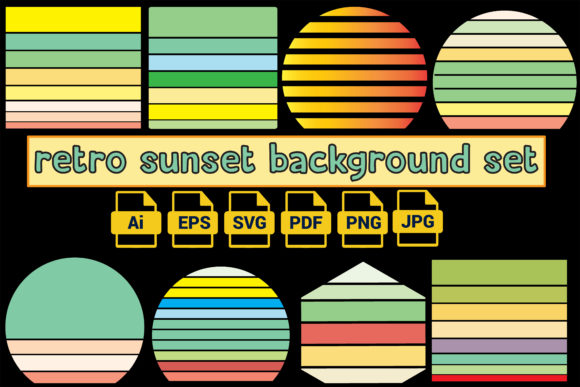
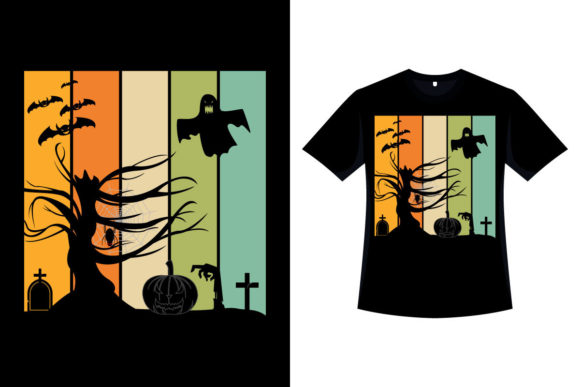
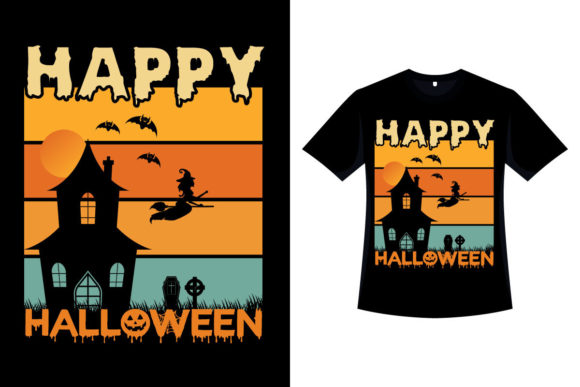
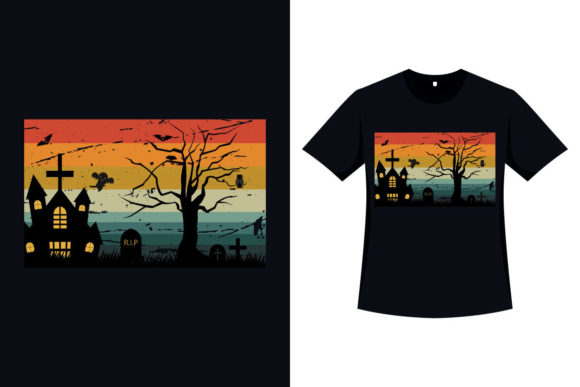
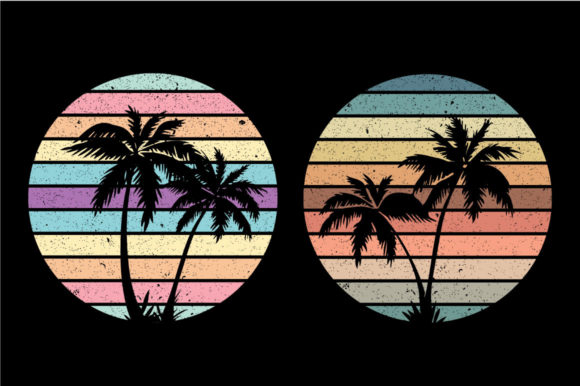
When you first open the files for the Vintage Retro T-Shirt Background, the immediate feeling is one of warmth and nostalgia. The retro sunset color palette evokes a specific era, likely the late 70s or early 80s, which is currently resonating strongly with consumers looking for authentic, handmade vibes. Unlike stark geometric patterns that can feel cold under a needle, this design feels organic and inviting.
For an embroiderer, the layout is crucial. This background is not merely a flat field of color; it possesses a depth that suggests layers. When visualizing this as a machine embroidery design, the gradient-like transitions promise to create a soft, atmospheric backdrop that allows foreground elements—like a bold logo, a monogram, or a central character—to pop without competing for attention. It strikes a balance between being busy enough to add texture and simple enough to remain legible after stitching.
Real-World Application: A Case Study in Custom Apparel
To test the true potential of the Vintage Retro T-Shirt Background, imagine a scenario where you are preparing a custom order for a local coffee shop. The client wants a line of aprons featuring their vintage-inspired logo. They need something that feels established and cozy, not corporate or sterile.
I ran the design mentally through this process. Placing the Vintage Retro T-Shirt Background behind the logo on a heavy cotton twill apron creates a stunning contrast. The warm hues mimic the glow of a sunrise over a city skyline, setting a mood before the customer even reads the text. If this were a tote bag design for a craft fair, the background would travel well, adding value to a simple canvas bag and making it look like a boutique item rather than a generic giveaway.
This design also shines when applied to sweatshirt embroidery. The softness of the fleece fabric pairs beautifully with the retro aesthetic, creating a garment that looks lived-in and stylish. For a small business owner selling handmade products, this background adds a layer of professionalism. It signals to the buyer that the creator put thought into the composition, not just the placement of the text. It elevates the perceived value of the finished product, potentially justifying a higher price point in an Etsy listing or at a craft market.
Where This Design Shines Best
- Holiday Gifts: The nostalgic theme fits perfectly with autumn and winter holidays, making it ideal for personalized stockings or family reunion shirts.
- Nursery Decor: Softened versions of this background work wonders on baby blankets or pillow covers, offering a gender-neutral yet charming aesthetic.
- Kitchen Textiles: Embroidered tea towels featuring this background bring a cheerful, retro charm to any kitchen counter.
- Boutique Branding: For shops focusing on vintage aesthetics, using this as a consistent element across patches and tags builds strong brand recognition.
Practical Considerations and Potential Pitfalls
However, a good designer knows that beauty does not always equal functionality. There are specific scenarios where the Vintage Retro T-Shirt Background requires careful handling. If you are working with a small hoop size, such as those used for cuffs or hat panels, the detail level of the background might become muddy. The subtle gradients can lose definition if the stitch density is too high for the available space.
Fabric choice is equally critical. While this design looks great on stable materials like denim or canvas, applying it to thin, stretchy fabrics without proper stabilization can lead to puckering. The varying densities required to create the sunset effect mean that stabilizer selection must be precise. On dark fabrics, the lighter tones of the background might get lost unless you use a high-density fill or a contrasting underlay. Always test your thread colors against the fabric to ensure the vibrancy remains intact.
Curved surfaces, like caps, present another challenge. The perspective distortion inherent in curving a flat design can alter the intended "sunset" shape. You may find that the background looks stretched or compressed depending on the curvature of the cap. In these cases, it is often better to treat the background as a secondary element or adjust the digitization specifically for the curve.
Technical Notes for the Discerning Designer
Before committing to a full production run, I strongly advise testing the embroidery file on scrap fabric. Check the stitch density closely; areas where the fill stitch meets the satin stitch should be seamless. If the design relies heavily on running stitch for fine details, ensure the fabric can support it without fraying.
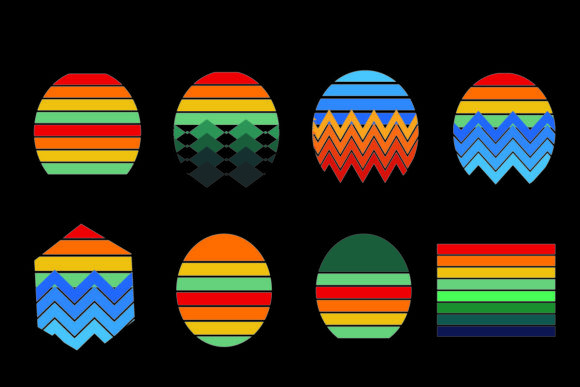
Review the vector shapes provided. Since the main file description mentions 100 resizable vector shapes, you have the flexibility to isolate specific elements of the sunset or the horizon line. This is a powerful feature for creating digital embroidery files tailored to specific hoop sizes. You can scale down the background for a personalized gift tag or expand it for a large wall hanging.
Do not forget to inspect the design in black and white mockups. Sometimes, color hides issues with contrast that only appear in grayscale. This step ensures that the design will hold up regardless of the lighting conditions in your studio or the display environment of your online shop.
Final Verdict: Is It Worth the Investment?
The Vintage Retro T-Shirt Background is more than just a graphics template; it is a tool for storytelling. For Etsy sellers, craft business owners, and apparel decorators, it offers a versatile foundation that can transform a standard garment into a statement piece. Its ability to evoke emotion and fit seamlessly into various categories—from baby embroidery to commercial embroidery projects—makes it a valuable asset in your design library.
Just remember that the magic lies in the execution. Proper stabilization, thoughtful thread selection, and rigorous testing on different fabrics are non-negotiable. When used correctly, this background delivers a polished, professional result that customers will love and trust. Whether you are creating a unique embroidered patch or a custom custom apparel line, this design provides the perfect retro backdrop to make your work stand out.