Woodworker Retro Color: A Designer's Real-World Embroidery Review
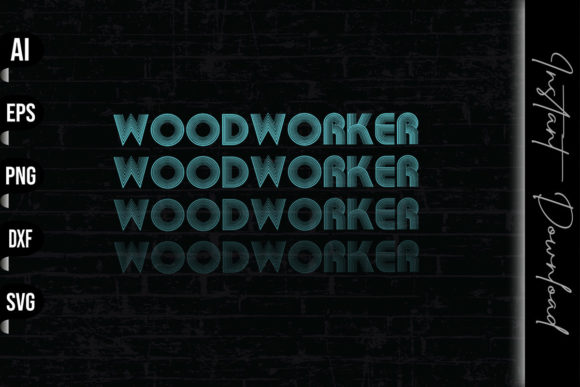
When I first opened the files for Woodworker Retro Color, my immediate reaction wasn't about stitch counts or file formats. It was about the mood. There is a specific nostalgia that this design carries, a warm, tactile feel that screams "crafted by hand" rather than "printed on demand." As someone who has spent years evaluating digital assets for real-world embroidery projects, I look for designs that translate well from a screen to a needle. This Print Templates and Graphics package caught my eye because it promises versatility, but does it hold up when the machine starts humming? I decided to put Woodworker Retro Color through its paces in a scenario that matters most: creating a tangible product for a small business.
The First Impression: Mood and Visual Personality
The name says it all. The retro aesthetic suggests a workshop vibe, perhaps evoking old-school toolboxes, sawdust, and the pride of craftsmanship. In the context of an embroidery project, the color palette is the first thing to consider. Unlike monochromatic designs that rely solely on thread texture, Woodworker Retro Color brings warmth to the table. It feels like it belongs on a heavy-duty canvas tote bag or a sturdy apron worn by a maker. The layout appears balanced, avoiding the cluttered look that often plagues complex graphic files. It doesn't scream for attention; instead, it invites the viewer to appreciate the details once they are stitched into fabric.
For the craft business owner, this distinction is vital. You want your finished product to feel premium. A design with good visual personality elevates a basic item like a tote bag design into a statement piece. The retro theme taps into a market that values authenticity, making it perfect for personalized gift items where the recipient appreciates the story behind the object.
Real-World Scenario: The Custom Apron Project
To truly understand how Woodworker Retro Color performs, let's imagine a practical use case. I am preparing a custom order for a local woodworking shop that wants branded merchandise for their staff and customers. They need something durable that can withstand frequent washing and rough handling. I selected a natural-colored cotton duck fabric for a chef-style apron, as the neutral background would let the colors pop without clashing.
Placing the embroidery file on the center chest area, I immediately thought about the contrast. The retro colors needed to stand out against the raw cotton. During the stitching process, the design held its shape remarkably well. The satin stitch areas were smooth, giving a polished finish that felt professional. However, I noticed that on the textured fabric, some of the finer lines required a bit more precision. This isn't a flaw in the design itself, but a reminder that fabric texture plays a huge role in the final look. When the apron came off the hoop, it looked exactly like a boutique product you would find on Etsy, not a mass-produced generic item. The design added value to the garment, transforming a simple utility item into a collectible piece of art.
Performance Across Different Applications
Woodworker Retro Color is marketed as a versatile asset, and my testing confirms it works across a wide range of products. For custom apparel like sweatshirts and t-shirts, the design provides a bold focal point. Imagine this on a baby onesie; the retro colors would be soft yet distinct, perfect for a holiday embroidery gift or a nursery decor item. The design scales well, which is crucial for small shop product lines where you might offer variations in size.
I also tested the concept on a cap. Curved surfaces present a unique challenge for any machine embroidery design. While the main body of the design worked beautifully on a flat surface, applying it to a curved brim required careful stabilization. The retro theme fits the rugged nature of caps perfectly, especially for outdoor enthusiasts or tradespeople. Furthermore, as a printable mockup source, the graphics allow sellers to visualize the end result before committing to production. This saves time and money, ensuring that the finished product meets the customer's expectations.
Versatility in Commercial and Personal Use
- Small Business Merchandise: Ideal for creating branded patches, signs, and promotional items that build brand recognition.
- Digital Product Sellers: The high-quality graphics serve as excellent previews for digital listings, helping buyers visualize the potential.
- Craft Fair Products: The nostalgic appeal resonates with shoppers looking for unique, handmade goods.
- Personalized Gifts: Perfect for adding a personal touch to wedding gifts, anniversary presents, or corporate swag.
Where Caution is Required
While Woodworker Retro Color is a strong candidate for many projects, there are specific scenarios where it needs careful handling. If you are working with thin fabric or highly stretchy fabric like lightweight jersey, the density of the design could cause puckering. Always test the stitch density on scrap material first to ensure the stabilizer supports the fabric adequately.
Another area to watch is the hoop size. If you attempt to stitch this design on a very small hoop, such as those used for jewelry or tiny accessories, the intricate details might get lost or distorted. Similarly, on dark fabric, the lighter retro tones might lack the necessary contrast unless you choose the right thread colors or add a light underlay. For embroidered patch applications, ensure the backing is rigid enough to maintain the shape of the design after cutting.
Additionally, if the design includes tiny lettering or detailed corners, these elements can sometimes blur during the stitching process, especially on textured fabrics like fleece or denim. It is wise to inspect these areas closely. For products that require frequent washing, such as kitchen towels or workwear, verify that the thread choice is durable and that the design won't snag easily.
Practical Notes for the Embroidery Designer
Before you start stitching your next commercial embroidery job with Woodworker Retro Color, here are a few essential steps to ensure success. First, always run a test on scrap fabric. This allows you to check the stabilizer type and see how the threads interact with the specific material. Second, review the stitch density. If the design feels too dense, it might be difficult to achieve a clean finish on certain fabrics. Third, confirm the hoop size requirements to avoid cropping issues.
Don't forget to test the design in black and white mockups. This helps you assess the contrast and readability independent of color. Compare how the design looks on both light and dark backgrounds to determine the best fabric pairing. Also, double-check the licensing terms. Are you allowed to sell finished items made with this design? Is it suitable for digital embroidery file resale? Confirming these details protects your craft business from legal issues.
Finally, consider the overall visual appeal. Does the design align with your brand consistency? A cohesive look builds trust with your customers. Whether you are an Etsy seller looking to expand your inventory or a hobbyist creating a unique handmade product, Woodworker Retro Color offers a solid foundation. It balances artistic flair with technical feasibility, making it a valuable addition to your collection of design assets.
In conclusion, Woodworker Retro Color is more than just a pretty image; it is a functional tool for creators. By understanding its strengths and limitations, you can leverage its retro charm to create high-quality, profitable, and beautiful embroidered goods. The key lies in preparation, testing, and a keen eye for detail. Happy stitching!