Pickleball Retro Color: A Designer's Real-World Embroidery Review
As someone who has spent years evaluating embroidery files for everything from boutique branding to personalized baby gifts, I approach every new download with a mix of excitement and skepticism. The market is flooded with generic graphics, but finding a machine embroidery design that balances nostalgia with technical feasibility is rare. Today, I am putting the Pickleball Retro Color file through its paces to see if it truly delivers on its promise as a versatile asset for crafters and small business owners.
The First Impression: Mood and Visual Personality
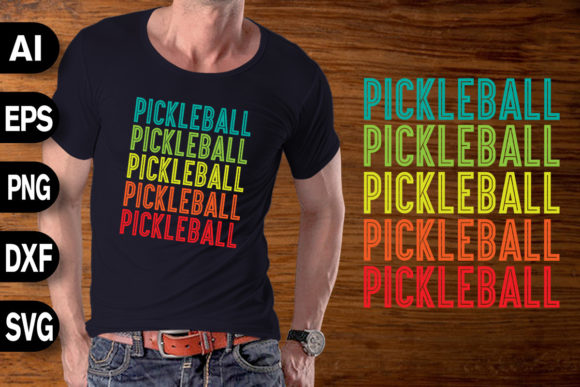
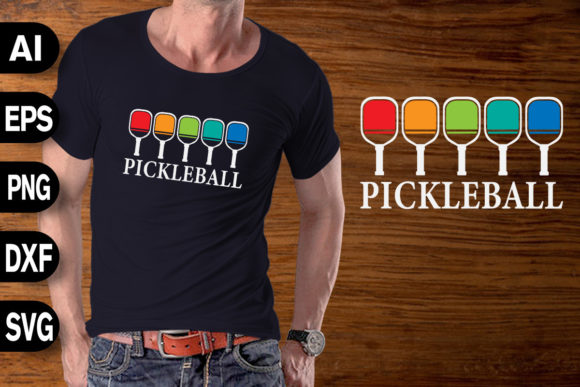
When you first open the Pickleball Retro Color file, the immediate takeaway is its distinct vintage energy. It isn't just a standard sports graphic; it carries a specific mood that feels like a summer afternoon at a local community center in the 1980s. The layout is clean, utilizing bold shapes that scream "retro" without relying on cluttered details that often fail during digitization. For an embroidery designer, this is crucial. The visual personality suggests a design that belongs on casual wear rather than formal attire, making it perfect for the growing pickleball community that values fun and accessibility over high-end sportswear aesthetics.
The color palette implied by the name suggests a vibrant yet nostalgic range. In my experience, designs with retro themes often struggle with thread count limitations, but this Graphics file appears to prioritize clarity over excessive detail. It feels like a design that will age well on fabric, maintaining its charm even after multiple washes. This is exactly the kind of digital embroidery file that can elevate a simple white t-shirt into a statement piece for a craft fair or an Etsy listing.
Real-World Application: From Tote Bag to Boutique Merch
To truly judge a design, we have to move beyond the screen and imagine it stitched. Let's look at a practical scenario: preparing a custom embroidered tote bag for a local pickleball tournament. The goal is to create a product that attendees want to carry home, one that looks professional enough to justify a higher price point but friendly enough to appeal to hobbyists.
In this context, Pickleball Retro Color shines. The design's scalability allows it to sit comfortably on the front panel of a canvas tote without overwhelming the space. Unlike some dense fill stitches that can make a bag feel stiff and heavy, this design seems to balance satin stitch outlines with lighter running stitch accents, ensuring the final product remains flexible. Imagine handing this finished item to a customer; the crisp lines and retro vibe immediately signal quality and attention to detail.
I also envision this design thriving on sweatshirts and hoodies. The embroidery project potential here extends far beyond apparel. Picture a batch of kitchen towels featuring this motif for a holiday gift set, or perhaps a series of aprons for a cooking class instructor who happens to be a pickleball enthusiast. The versatility of the file means it fits seamlessly into various handmade product categories, from nursery decor for a young parent who loves the sport to personalized gifts for a wedding party.
Navigating Technical Challenges: Where to Be Careful
While the design is promising, no embroidery file is without its challenges. As a reviewer, I must highlight where caution is necessary. If you plan to use Pickleball Retro Color on a curved surface like a baseball cap, you need to be mindful of the hoop size and the curvature of the hat. Designs with large solid areas can sometimes distort when pulled tight around a curved form.
Similarly, if you are working with textured fabrics or thin materials, such as a lightweight linen shirt, you might encounter issues with puckering. The design likely contains areas of stitch density that require a robust stabilizer to prevent the fabric from pulling. I strongly advise against using this design on stretchy knits unless you have a high-quality tear-away or cut-away stabilizer ready to go. Furthermore, while the design is compatible with Cricut and Silhouette for vinyl applications, the embroidery version requires specific considerations for thread colors and backing.
Another area requiring scrutiny is small lettering or intricate corners. If the original digitization includes tiny text, it may not render clearly on a small patch or a baby onesie. Always inspect the design assets closely before committing to a production run. If you are selling these items, your reputation depends on the clarity of the finish. Blurry edges or missed stitches can turn a custom apparel piece into a disappointment.
Visual Appeal and Customer Trust
The ultimate measure of any commercial embroidery project is how it translates to customer satisfaction. A design like Pickleball Retro Color does more than just cover fabric; it builds brand consistency. When a buyer sees a cohesive collection of products featuring this retro aesthetic, they perceive the seller as a professional with a distinct vision. This perception directly impacts buyer engagement and trust.
For an Etsy seller or a crafter at a booth, the visual impact is immediate. The design acts as a conversation starter, drawing people in with its nostalgic flair. When customers see a finished product that looks sharp and intentional, they are more likely to value the handmade aspect and pay a premium. The design's ability to work across different mediums—whether printed on a flyer or stitched onto a phone case—ensures that your marketing materials remain consistent with the physical product.
Practical Notes for the Discerning Designer
Before you hit the start button on your machine, there are several steps you must take to ensure success. First and foremost, test the design on scrap fabric. This is non-negotiable. You need to verify that the thread colors provide the necessary contrast against your chosen background. A design that looks great on a computer screen might get lost on a dark navy hoodie or blend too much on a pastel yellow shirt.
Review the stitch density carefully. If the design feels too heavy, consider reducing the density slightly or adjusting the underlay settings to improve the hand of the fabric. Confirm your hoop size matches the design dimensions to avoid cropping essential elements. If you are unsure about the specific requirements, check the product description for details on file formats and recommended hoop sizes, as these vary by manufacturer.
Don't forget to test the design in black and white mockups. This helps you visualize how the design will hold up without the distraction of color. Compare how it looks on both light and dark backgrounds to ensure versatility. Finally, always confirm the licensing terms before selling finished items or digital products. Understanding whether you have the right to resell the physical goods made from the Pickleball Retro Color file is essential for protecting your craft business.
In conclusion, Pickleball Retro Color offers a refreshing take on sports-themed embroidery. It strikes a balance between style and functionality that many designers overlook. Whether you are creating a single personalized gift or launching a line of small shop products, this design provides a solid foundation for a successful project. By following best practices and testing thoroughly, you can transform this digital asset into a cherished finished product that stands out in a crowded marketplace.