Reviewing Retro Style Party Banner Flat Vector for Embroidery
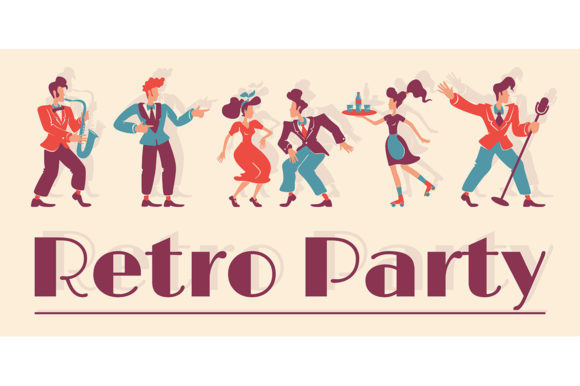
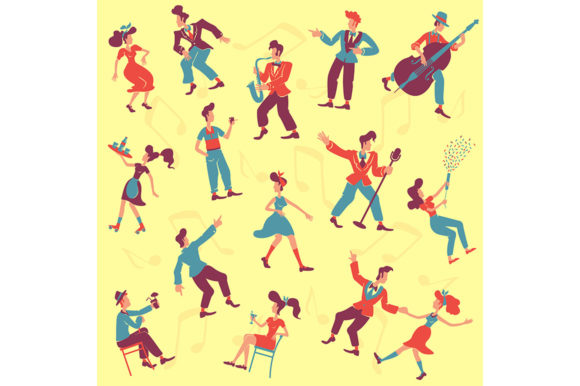
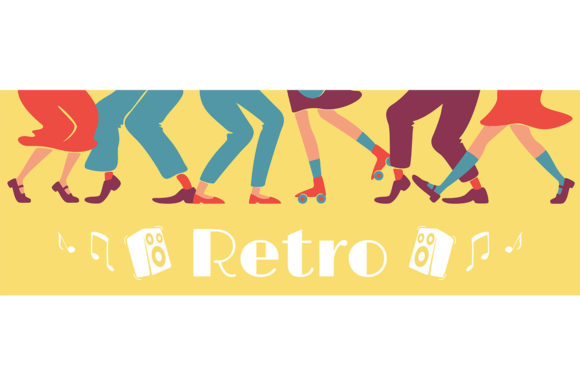
When I first opened the Retro Style Party Banner Flat Vector, my immediate reaction was a mix of nostalgia and practical skepticism. As someone who has spent years turning digital graphics into tangible stitched products, I know that a flat vector file is only as good as its ability to survive the needle and thread. This design promises a 1950s disco vibe with cartoon illustrations, typography, and rock n roll dancer legs set against a vintage yellow background. It screams fun, but does it translate well from a screen to a stitch?
The initial mood this design creates is undeniably energetic. The horizontal layout suggests a banner or a headline, which immediately makes me think of custom apparel and shop signage. However, the specific elements—the dancer legs and the bold typography—require careful consideration when we talk about machine embroidery design. The challenge here isn't just about making it look pretty; it's about ensuring the finished product holds up to wear and tear while maintaining that boutique-quality feel.
From Screen to Stitch: A Real-World Scenario
Let's imagine a real-life scenario where I'm preparing a batch of custom embroidered tote bags for an upcoming craft fair. My goal is to create a unique piece of merchandise that stands out on a crowded table. I pull up the Retro Style Party Banner Flat Vector to see how it would look on a heavy canvas bag. The vintage yellow background offers a warm, inviting tone that contrasts beautifully with dark denim or natural cotton, instantly grabbing attention.
In this context, the design feels right at home. The "rock n roll" theme aligns perfectly with a bohemian or retro-themed boutique brand. However, before I hit the start button on my machine, I have to think about the details. The cartoon illustrations and the typography are the stars here. If the original vector includes fine lines or tiny text within the dancer legs, those areas might get lost in the fabric texture. For a handmade product like a tote bag, clarity is king. If the letters become illegible after stitching, the customer won't appreciate the effort, regardless of how cool the concept is.
I also consider the emotional connection. A customer buying a personalized gift or a small shop product wants to feel a sense of joy. This design delivers that retro charm effectively. It works well for holiday gifts, wedding favors, or even a baby item if the colors are softened. But the key is execution. The transition from a flat graphic template to a textured, raised embroidery surface changes everything.
Navigating Fabric and Stitch Density
One of the most critical aspects of using this design for commercial embroidery or personal projects is understanding how the stitch density interacts with different materials. The Retro Style Party Banner Flat Vector features a mix of shapes and text. When converting this to an embroidery file, the software needs to decide where to place satin stitches for outlines and fill stitches for the solid areas.
If I were to use this on a sweatshirt, the dense fill stitches might make the fabric pucker, especially around the curved neckline or the sleeve area. To avoid this, I would need to use a high-quality stabilizer and perhaps reduce the stitch density slightly. On a pillow cover, the stability is better, but the visual impact depends heavily on the thread colors chosen. A vintage yellow background requires threads that complement, not clash with, the existing fabric color.
There are places where this design should be used with caution. Small hoop sizes are a major limitation. If the design is compressed too much to fit a 4x4 hoop, the dancer legs and lettering details will merge into a blurry mess. Similarly, textured fabrics like terry cloth or thick wool can swallow up the finer details of the vector. Thin or stretchy fabrics, such as lightweight jersey, pose another risk without proper backing. In these cases, the design might distort during the hooping process, ruining the professional look of the finished product.
Making the Design Work for Your Business
For Etsy sellers and creative entrepreneurs, the visual appeal of the final product directly impacts sales. A well-executed Retro Style Party Banner Flat Vector can elevate a simple tote bag into a statement piece. It adds a layer of professionalism and brand consistency that customers trust. When buyers see crisp, clear stitching on a custom apparel item, they assume the maker cares about quality.
This design is particularly versatile for digital product sellers as well. You can use it to create printable mockups for your listings, showing potential buyers exactly what their personalized gift might look like. The horizontal orientation makes it ideal for banners on websites or social media posts promoting your craft business. However, always remember to check the licensing terms before selling finished items or using the design assets commercially. Ensuring you have the right permissions protects your reputation and your livelihood.
When designing for an embroidered patch, the outline becomes crucial. The dancer legs and typography need a strong border to hold their shape against the fabric edge. If the original vector lacks sufficient detail in these areas, you may need to adjust the digitizing settings to add a thicker satin border. This ensures the patch remains durable through frequent washing and handling.
Practical Tips for the Designer
Before committing to a full production run, there are several steps every experienced designer takes. First, test the design on scrap fabric. This simple step reveals issues with tension, puckering, or thread breakage that aren't visible on a computer screen. Check the thread color contrast carefully; a light yellow background might wash out if the thread colors are too similar. Review the stitch density to ensure it's not too heavy for the intended fabric weight.
Confirm the hoop size early on. If the design is too large for your standard hoops, you may need to split the project or invest in larger equipment. Inspect small details closely, especially the typography. If the letters are too thin, they might not stitch cleanly. Test the design in black and white mockups to verify that the value contrast works, ensuring readability even without color. Compare how it looks on both light and dark fabric backgrounds to determine the best options for your target market.
Finally, use the proper stabilizer. For a design with significant fill areas like this one, a cut-away stabilizer is often necessary to maintain structure over time. Whether you are creating a kitchen towel, a cap, or a nursery decor item, the foundation determines the longevity of the work. By following these guidelines, you ensure that the Retro Style Party Banner Flat Vector transforms from a digital concept into a cherished handmade product.
In conclusion, this design has a lot of potential for anyone looking to add a splash of 1950s flair to their inventory. It captures a specific mood that resonates with many buyers, but success lies in the technical execution. With careful planning, the right materials, and a keen eye for detail, this graphic template can become a staple in your collection of custom apparel and personalized gifts.